
DISCOVER
who you are.
TRANSFORM
your life.
LIVE
your dreams.
Resources
I have collated a few resources you might find useful below...
Find Clients Quickly
This Free Guide Provides you with actionable steps to find clients quickly. Including a free 7 day challenge if you want to kickstart your client finding journey.
Balancing Act - Your guide to a better Work-Life Balance
Discover my top tips on how to get and sustain an amazing work-life balance when you run your own business.
Imposter Syndrome Guide
Imposter syndrome has many different aspects to it, whether you recognise the signs or not, this guide will help you get a deeper understanding of the different types of imposter syndrome and give you some tips to overcome it.
Free Facebook Group
Join my Free Facebook Group of small business owners, freelancers and coaches looking to find their FLEX, grow their business and feel fulfilled in life.
Blog posts...
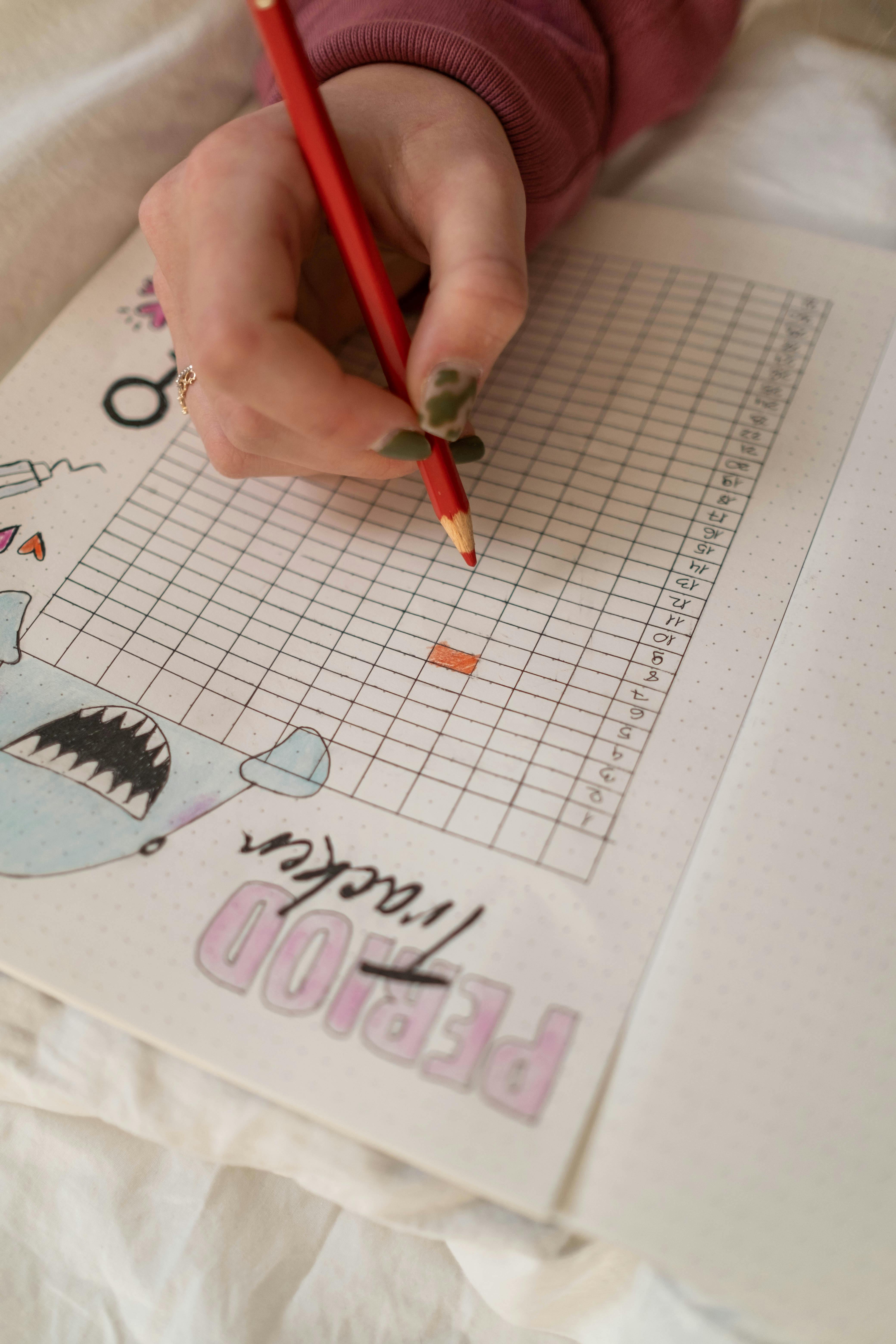
Why Your Anxiety and Sleep Get Worse Before Your Period
If you have ever looking at your to do list one week and though "I can get that done easily today" and do, but the following week, a similar list leaves you feeling stressed, overwhelmed and struggling to sleep - the answer might be in your menstrual cycle.
One of the biggest acts of self care women can make, is starting to understand their body, honouring the monthly changes they go through and supporting those changes. Throughout each month, your nervous system, hormones, energy, sleep and emotional capacity naturally change - yet we continue through life expecting our body's to perform the same way every day.
We expect ourselves to have the same focus, motivation, patience, confidence, creativity and resilience whether we are ovulating or menstruating. And when your body can't keep up, the guilt comes, the overwhelm takes over and the stress builds.
But often, your body is already communicating with you, you just don't hear what it is saying because you don't get time to listen.
Your nervous system and hormones are connected
Your menstrual cycle isn't just about your reproductive system. Your hormones change throughout the month and they impact your nervous system, metabolism, sleep, stress resilience, appetite, energy and emotional processing.
Research shows that fluctuations in oestrogen and progesterone can influence neurotransmitters including serotonin and GABA - both of which play a role in mood regulation and nervous system regulation. That is why women notice more anxiety, irritability or disrupted sleep right before their period.
In the follicular phase of the menstrual cycle and around ovulation, as oestrogen rises, many women experience increased energy, motivation and sociability.
Then in the luteal phase, particularly the later part right before menstruation, the nervous system can become sensitive to stress. Women often feel "off" in this phase, struggling with sleep, craving sugar, struggling to exercise and finding their emotions all over the place. Instead of adjusting their routine around what their body needs, they often push through it, leaving them feeling even more stressed and possibly guilty.
Why sleep can be difficult around your period.
One of the most common things I hear from women is that they sleep terribly in the few days before their period. No matter how tired they are, how much exercise they do, they either struggle to get to sleep or struggle to stay asleep.
There are several reasons for this, and once you start understanding them, it can be easier to make changes that can support you in this phase.
During the luteal phase, progesterone and oestrogen drop. This hormonal shift can affect body temperature, mood stability, sleep quality and metabolism.
It's important to think about your nutrition at this point in the month. Increasing protein and stabilising your blood sugar can make a huge difference to how you feel and supporting your nervous system. Protein provides amino acids needed for neurotransmitter production and can help stabilise blood sugar and reduce stress in the body.
Many women under eat, rely heavily on caffeine or sugar to get them through and survive on convenience food while juggling all of their responsibilities.

Find me on: