
DISCOVER
who you are.
TRANSFORM
your life.
LIVE
your dreams.
Resources
I have collated a few resources you might find useful below...

Find Clients Quickly
This Free Guide Provides you with actionable steps to find clients quickly. Including a free 7 day challenge if you want to kickstart your client finding journey.
Balancing Act - Your guide to a better Work-Life Balance
Discover my top tips on how to get and sustain an amazing work-life balance when you run your own business.
Imposter Syndrome Guide
Imposter syndrome has many different aspects to it, whether you recognise the signs or not, this guide will help you get a deeper understanding of the different types of imposter syndrome and give you some tips to overcome it.
Free Facebook Group
Join my Free Facebook Group of small business owners, freelancers and coaches looking to find their FLEX, grow their business and feel fulfilled in life.
Blog posts...
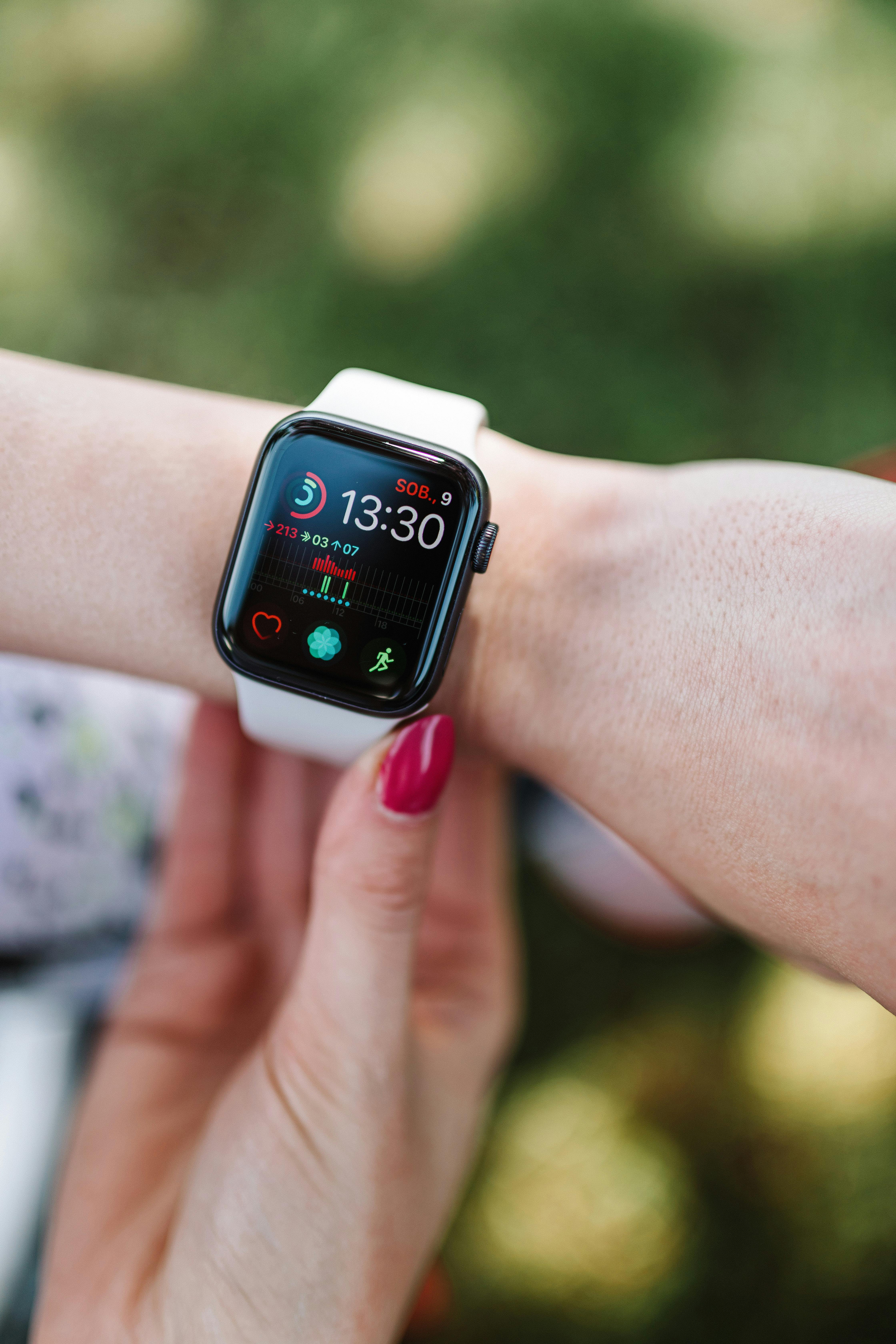
How to Know If Your Stress Resilience Is Low (And What Your Body Is Trying to Tell You)
Most women think “stress management” means trying to avoid stress or powering through it. But real stress resilience isn’t about stopping stress. It’s about how well your body can recover after it.
Your body already gives you clear signs of how resilient you are, long before burnout hits.
In this guide, we’ll explore what stress resilience really means, why some stress is actually good for you, how your nervous system responds differently to stress depending on your wiring, and how tools like Heart Rate Variability (HRV) can tell you exactly what’s going on inside.
This is the foundation of effective stress coaching and long-term wellbeing.
Not All Stress Is Bad
Stress itself is not a bad thing. Your body was designed to handle stress in short, manageable bursts.
Healthy stress helps you:
• focus
• take action
• rise to a challenge
• stay motivated
• complete tasks efficiently
That “deadline energy” you get before a big meeting is normal and often helpful.
But stress becomes harmful when it never ends.
This is where stress loops form; the constant alertness, emotional load and pressure your body never gets to “come down” from.
These unfinished stress cycles are what leave you exhausted, wired, overwhelmed and unable to switch off. This is your nervous system working overtime to protect you.
Why We All Respond Differently to Stress
Every nervous system has a different stress responses.
Some people thrive under pressure, they think clearly and make decisions fast.
Others feel overwhelmed quickly, their body moves into fight, flight or freeze faster.
Both are norma and can be supported.
Understanding your stress response is the first step in building your stress resilience.
This is what I focus on in my coaching: how your body reacts, how quickly it recovers, and how to help your nervous system feel safe again.
How to Tell If Your Stress Resilience Is Low
Your nervous system gives you early signals long before burnout hits.
Here are three simple, evidence-informed ways to understand your stress resilience.
1. How quickly you calm down after stress
This is one of the most reliable signs of resilience.
If you recover quickly after a stressful moment, your system is flexible.
If you stay wired, tense or on edge for hours, your nervous system is overloaded.
This is called vagal tone and it means your ability to move between stress and calm.
2. The depth and quality of your sleep
Sleep is where your body finishes stress cycles.
Signs of stronger resilience:
• deep sleep
• waking rested
• fewer night-time wake-ups
• regular sleep rhythm
Signs resilience is low:
• light sleep
• restless nights
• waking tired
• waking at 2–3am with racing thoughts
• trouble winding down
Chronic stress disrupts your sleep because your body is stuck in “alert mode” even when you’re lying still.
3. Your Heart Rate Variability (HRV)
This is a powerful indicators of stress resilience, but don't monitor it too often.
What is HRV?
HRV (Heart Rate Variability) measures the variation in time between heartbeats.
A healthy nervous systemchanges rhythm constantly— responding to your environment and resetting after stress.
What does HRV tell you?
Higher HRV generally means:
• stronger stress resilience
• good recovery
• better emotional regulation
• a flexible nervous system
• higher parasympathetic (rest-and-digest) activity
Lower HRV generally means:
• chronic stress
• poor recovery
• fatigue
• nervous system stuck in alert mode
• low capacity for stress
Is HRV a diagnosis?
No but it is a helpful trend rather than a medical test.
It is a clear window into how your system is coping.
This makes HRV a valuable tool in stress coaching, nervous system regulation and wellbeing planning.
What Damages Stress Resilience?
Your resilience lowers when your body doesn’t get to complete its stress cycle.
This can happen because of:
• constant pressure
• emotional strain
• lack of rest
• sleep deprivation
• chronic inflammation
• under-eating or blood sugar instability
• unresolved stress responses
• unmanaged perimenopause symptoms
• trauma exposure
• ongoing overwhelm
This is why a single habit change isn’t enough. You need a full picture approach that looks at all of these things.
How to Improve Your Stress Resilience
Your stress resilience is not fixed, your nervous system can learn, adapt and strengthen with the right support.
Here are the most effective ways to improve resilience:
Nervous system regulation
Breathwork, grounding, vagal toning, and targeted SSP work.
Sleep depth & recovery habits
Creating rhythms that let your system complete stress cycles overnight.
Health & nutrition coaching
Supporting blood sugar, gut health, and mineral balance to stabilise your stress response.
Reducing unfinished stress loops
Helping your body “switch off” instead of carrying yesterday into today.
SSP (Safe and Sound Protocol)
A powerful tool that improves regulation, emotional resilience and stress recovery.
This layered approach is what makes stress coaching truly transformational.
Frequently Asked Questions
What is stress resilience?
It is your body’s ability to recover after stress, not avoid it.
How do I know if I have low stress resilience?
Look for slow recovery, broken sleep, irritability, overwhelm and low HRV.
Can stress resilience be improved?
Yes, through nervous system regulation, lifestyle changes and guided stress coaching.
Does HRV really show stress?
HRV trends can indicate your overall stress load and recovery capacity.
Do I need a fitness tracker to measure HRV?
No. It’s useful but not essential.
Final Thoughts
You are not “bad at stress.” Your body has just been carrying too much for too long.
Once you understand your nervous system and learn how to complete stress cycles, you can build real, steady stress resilience.
And when your resilience grows, overwhelm softens.
If you want personalised support to understand your stress patterns and strengthen your resilience gently, book a call to find out how I can help.

Find me on: